
We once told entire stories through railings.
Today we hide them in glass.
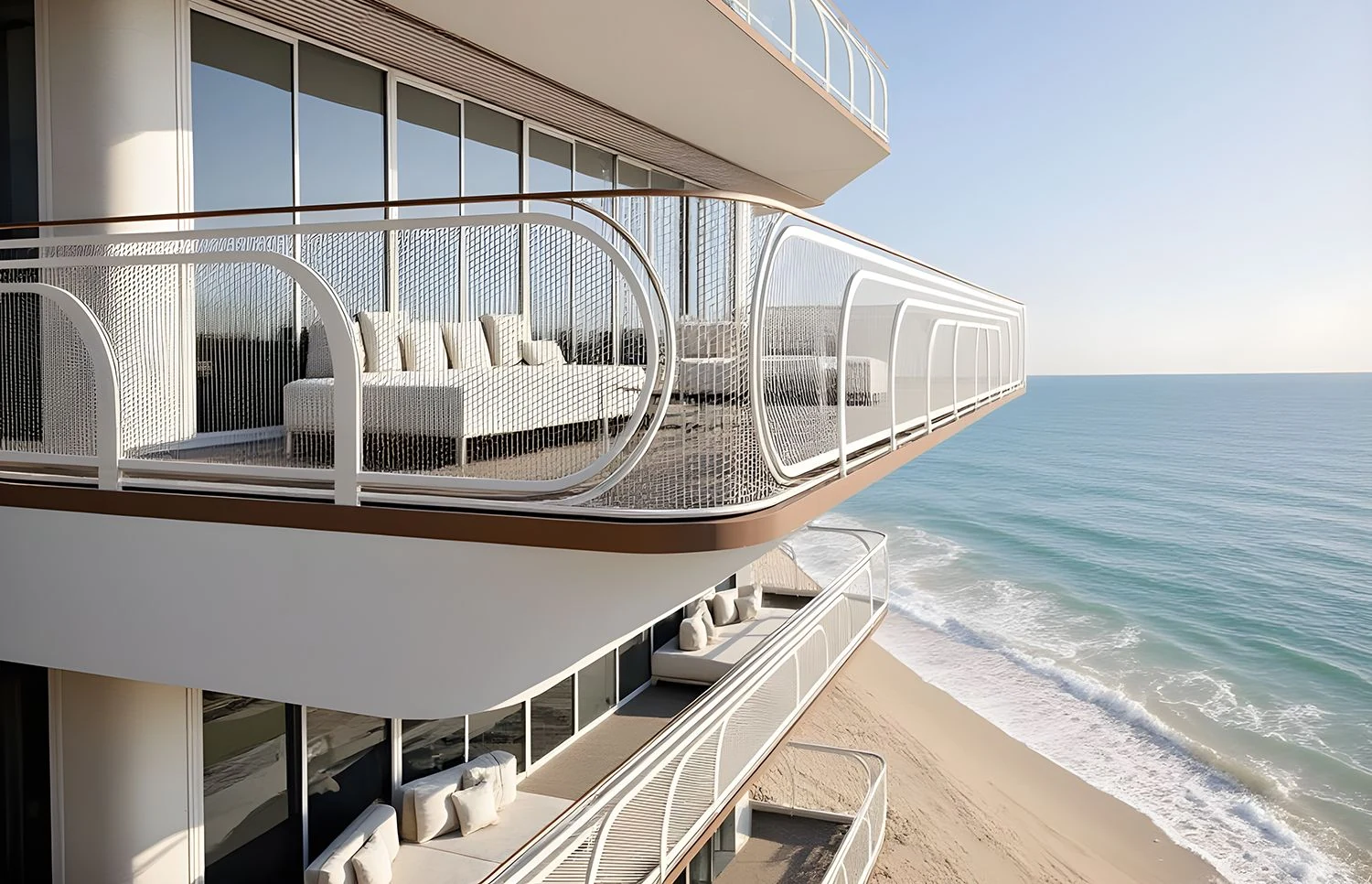
For centuries, balustrades carried craftsmanship, identity and status. Ironwork, timber carvings and stone details were not decoration. They were branding before branding existed.
In hospitality today, the default answer is often frameless glass. Not because we love railings less. But because we love the view more. And rightly so. The view drives room value, ADR and long term ROI. No developer wants to block the most valuable asset of a development.
And then there is maintenance. Glass needs constant cleaning. And when it is only semi clean, it makes the entire place feel badly maintained. And full transparency: I am part of the problem too. I have specified so much glass I should probably own shares by now
Sometimes, identity hides in the details we keep trying to erase.
So here is the missed opportunity: We have almost completely removed one of the few architectural elements that repeat everywhere: balconies, staircases, bridges, terraces, rooftops, circulation zones. Railings touch the guest more often than almost any other design element.
When designed intentionally, a railing system can become a recognizable brand signature across an entire property. Think of it as the visual rhythm that quietly ties everything together, without ever competing with the view.
And the best part: Railings have a very simple functional requirement. Which means strong design and detailing do not necessarily add much to the budget. Compared to facades, structure or mechanical systems, this is a relatively low risk and cost effective way to build identity into a project.
I am not suggesting we go back to full French ornament. But maybe, every now and then, we could allow railings to be seen again. Because sometimes, identity hides in the details we keep trying to erase.
View original post on LinkedIn ↗